International School of Mongolian Medicine
Training and research in traditional medicine.
Curriculum
Programmes offered by the school.
Doctor of Traditional Medicine
BachelorA Doctor of Traditional Medicine is a professional who, in line with population health and health care policy, has mastered the skills to diagnose, treat and prevent disease by combining traditional and modern medical methods, is skilled in hands-on procedures, and is capable of further specialising in sub-specialties of traditional medicine.
More details
Advantages and features
• Skills in treatment combining traditional medicine with modern medicine • Classes taught by the best lecturers in the field • Clinical practice at the university hospital • Student exchange through partnerships with universities abroad
Year of study
6 years
Tuition fees
6,851,000 ₮
Doctor of Acupuncture and Moxibustion
BachelorA professional with combined knowledge of Chinese and modern medicine, clinical, diagnostic and hands-on skills, a high level of medical Chinese, and a positive professional attitude, who is able to interpret on the basis of knowledge and skills, make clinical decisions and work as part of a team.
More details
Advantages and features
• Joint programme — students study for the first 4 years at MNUMS and in the 5th and 6th years at the University of Traditional Chinese Medicine in Tianjin. • Scholarships — students who pass the HSK Level 4 Chinese language examination and obtain the certificate can study under the Tianjin City scholarship programme in China. • Dual degree — graduates receive dual bachelor's degrees from Mongolia and China. • Work worldwide — by passing the acupuncture licensing examination of the National Certification Commission for Acupuncture and Oriental Medicine, based in the state of Washington, USA, graduates can work in the USA, Colombia, Switzerland, the UK and Schengen countries.
Year of study
6 years
Tuition fees
7,072,000 ₮
Traditional Medicine Therapist
BachelorA Traditional Medicine Therapist is a specialist with advanced Japanese language skills who combines Mongolian traditional medicine and Japanese traditional judo therapy (judo seifuku) with modern medicine to prevent sports and household injuries and soft tissue injuries, provide care at the time of injury and deliver rehabilitation treatment.
More details
Advantages and features
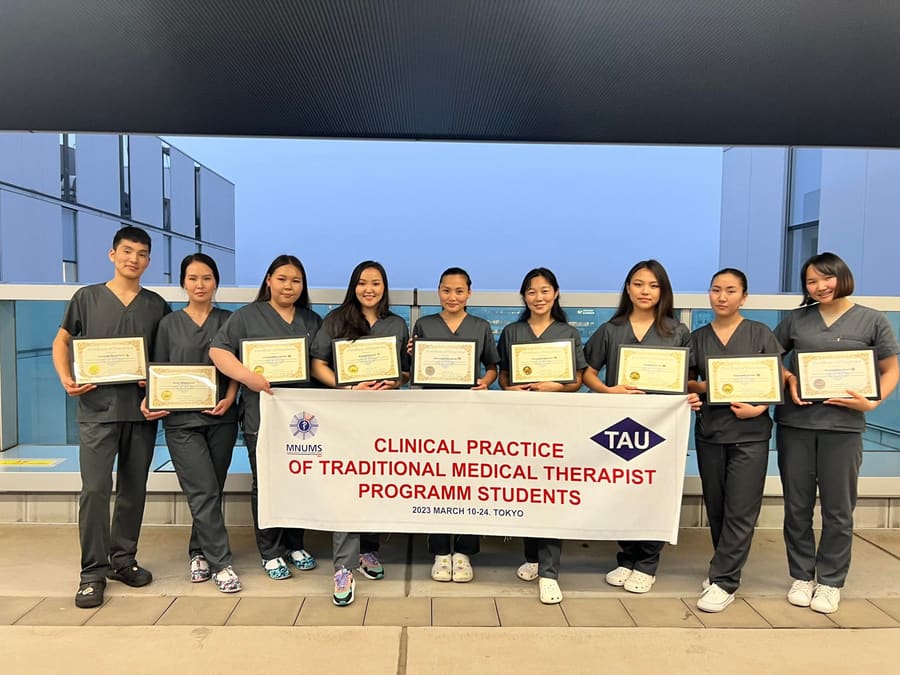
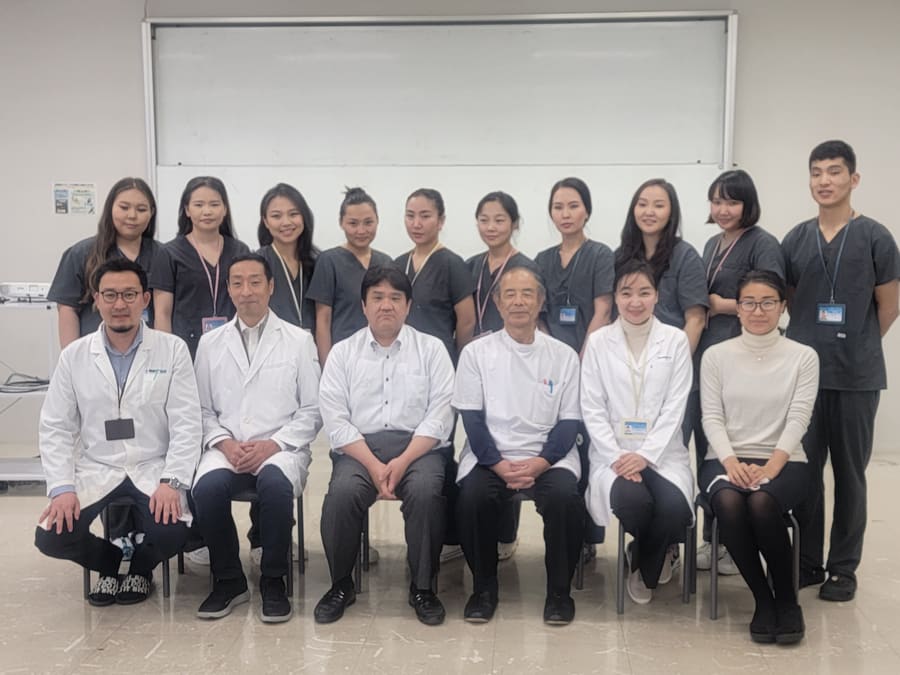
• Skills to treat everyday and sports injuries by combining Mongolian and Japanese traditional medicine with modern medicine • Study for 1 semester at Tokyo Ariake University through student exchange under the joint programme • Clinical practice at the University Hospital and Tokyo Ariake University • Professional judo therapy courses taught by Japanese lecturers and the best teachers in the field • After graduation, study for a master's degree with a Tokyo Ariake University scholarship
Year of study
4 years
Tuition fees
5,984,000 ₮
About the school
Founded in 1990
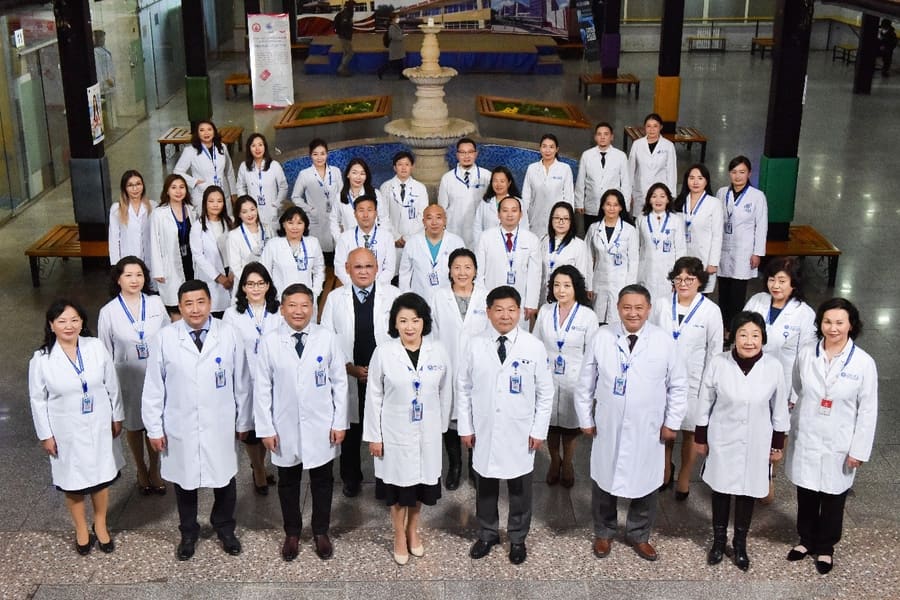
Over 30 years the International School of Mongolian Medicine has been the leading organization to prepare traditional medical doctors in Mongolia; since 1990 it has trained more than 1,500 doctors and specialists. Its bachelor's programmes are Doctor of Traditional Medicine, Doctor of Acupuncture and Moxibustion and Traditional Therapist; the Traditional Therapist programme is run with Tokyo Ariake University of Medical and Health Sciences (Japan) and the Acupuncture and Moxibustion programme with Tianjin University of Traditional Chinese Medicine (China). The bachelor's programmes and the master's programme in Traditional Medicine are nationally accredited.
- undergraduate students
- 550+
- master's and doctoral students
- 54
- postgraduate (residency) trainees
- 34
- faculty members
- 31
- graduates since 1990
- 1500+
Figures (as of 2023)
Dean's greeting
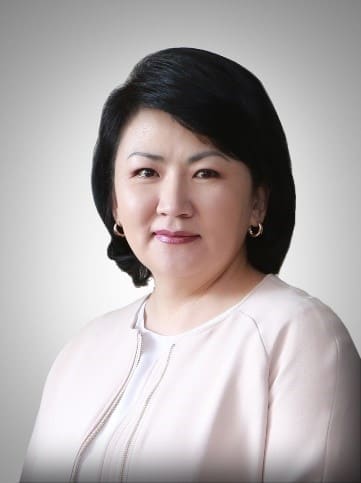
Mongolian Medicine is one of the Mongolian precious heritages and is said to have more than 5000 years of history; it has developed on the rich heritage of folk medicine with adoption of theoretical basis and treatment methods of Indian, Tibetan and Chinese medicine. The students of our school are expected to graduate as specialists who attain the knowledge of both traditional and modern medicine, and are capable to provide prompt and qualified medical services following the medical ethics and lessons of the distinguished doctors of all time. Our door is always open for those who are willing to cooperate for the development of traditional medicine.
History
- 1990Department of Traditional Mongolian Medicine, Medical University of Mongolia (16 May 1990, head N. Tumurbaatar)
- 2000School of Traditional Medicine, National Medical University of Mongolia
- 2003School of Traditional Medicine, Health Sciences University of Mongolia
- 2014Institute of Traditional Medicine, School of Medicine, MNUMS
- 2016International School of Mongolian Medicine, MNUMS
Departments
6 departments
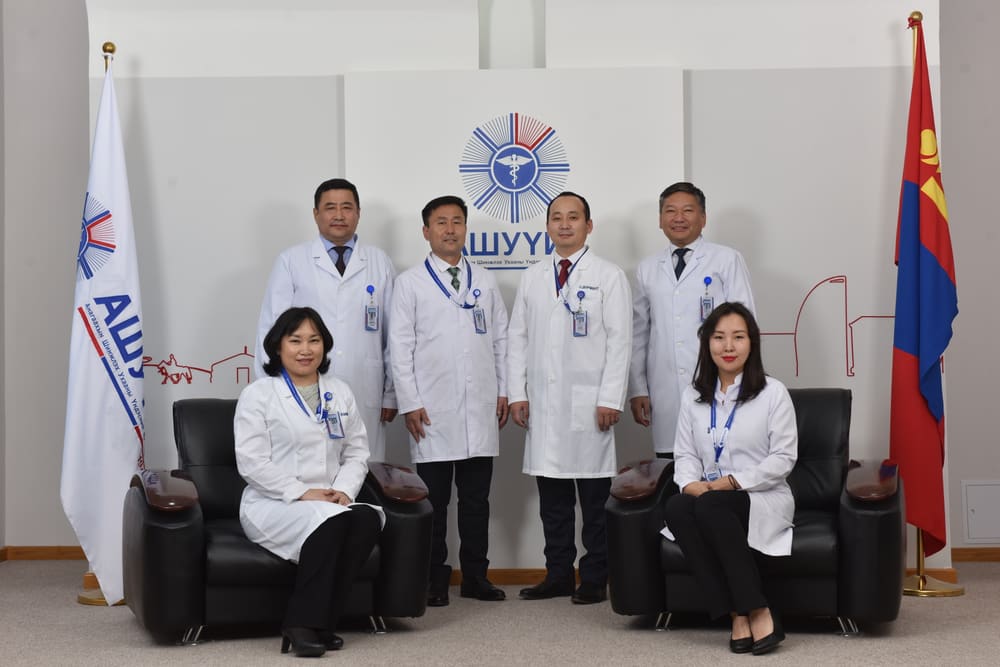 Department of Mongolian Medicine StudyHead: Dr. S. Dorjbat, PhD
The Department of Mongolian Medicine Study was established in 1990 as the Department of Traditional Mongolian Medicine under the National Medical University of Mongolia. The first head of the department was honored doctor, professor N. Tumurbaatar. The department implements joint domestic and foreign projects and conducts basic research in the history and source study, theory, public health and ethnomedicine of traditional Mongolian medicine.
Courses: History of traditional Mongolian medicine, theoretical basis of traditional Mongolian medicine, Four Medical Tantras, source and philosophy of traditional medicine, Tibetan language
- Prof. D. Tsend-Ayush headed the department 2001–2017
- Dr. S. Dorjbat has headed the department since September 2020
- Best Department of the School of Traditional Medicine (2006, 2010) and of the School of Medicine (2015)
- 2019 – Best Department, Mongolian National University of Medical Sciences
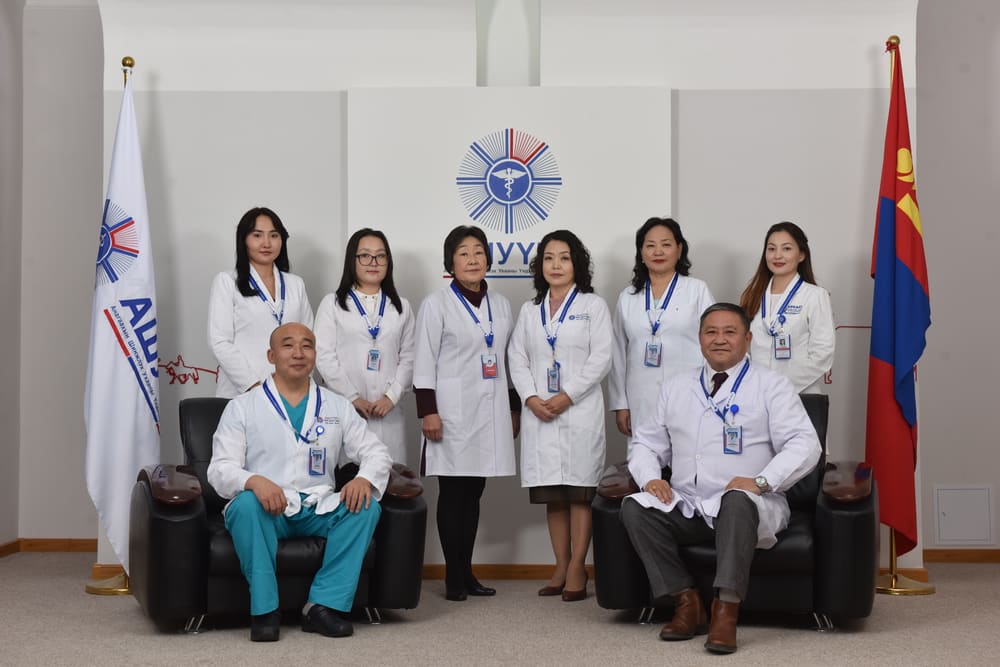 Department of Internal MedicineHead: Prof. S. Khishigjargal, PhD
The Department of Internal Medicine was established as one of the 3 departments of the School of Traditional Medicine in 2000. The department provides bachelor students with knowledge and skills in traditional diagnosis, traditional concepts of pathology and internal diseases, and offers master’s and doctoral programs and traditional medicine residency programs. Faculties of the department participate in the health services of the Central Hospital of Mongolian Traditional Medicine and the “Erkhes” sanatorium.
Courses: Over 20 subjects in traditional medical diagnostics, pathology and internal diseases for the Doctor of Traditional Medicine, Doctor of Acupuncture and Moxibustion and Traditional Therapist programs
- New residency programs for physicians of Mongolian traditional internal medicine, traditional neurologists and traditional gynecologists began in 2022
- 63% of faculty members hold PhD degrees (6 full-time and 2 part-time lecturers)
- Faculty output: 49 textbooks, 415 scientific articles, 34 PhD and 81 MSc graduates supervised
- Leads the “Zaluu Otoch” student club and regularly organizes clinical olympiads among students
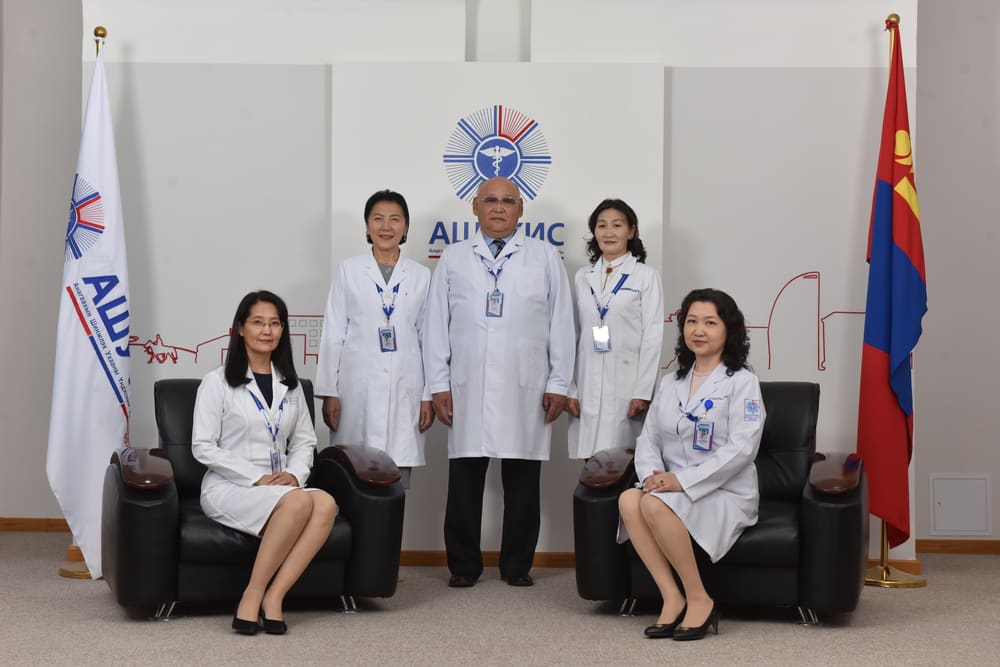 Department of Traditional External TherapyHead: Assoc. Prof. N. Oyuntsetseg, PhD
The Department of Traditional External Therapy of the International School of Mongolian Medicine was re-established in September 2020 and offers undergraduate, graduate and postgraduate training for the traditional medical doctor, traditional therapist and acupuncture doctor programs, as well as carrying out scientific research and professional clinical duties. The main areas of academic research of the department are medical external therapies, yoga meditation, psychotherapy, food and drink, and preventive medicine. The faculty of the department played a historic role in opening the joint “Traditional therapist” program with Tokyo Ariake University, the first of its kind in Mongolia.
Courses: Traditional external therapy, external therapy techniques of Mongolian medicine, massage therapy of Mongolian medicine, yoga and meditation, tuina massage, history of Chinese medicine, food and drink therapy of Mongolian traditional medicine, preventive traditional medicine
- The department originates from the Department of External Therapy, one of the first three departments of the School of Traditional Medicine (2000)
- The joint “Traditional therapist” program of ISMM, MNUMS and Tokyo Ariake University opened on 1 September 2016
- The Department of Acupuncture (2014) and the Department of Traditional Massage Therapy (2020) branched from this department
- 2017 – Best Department of MNUMS
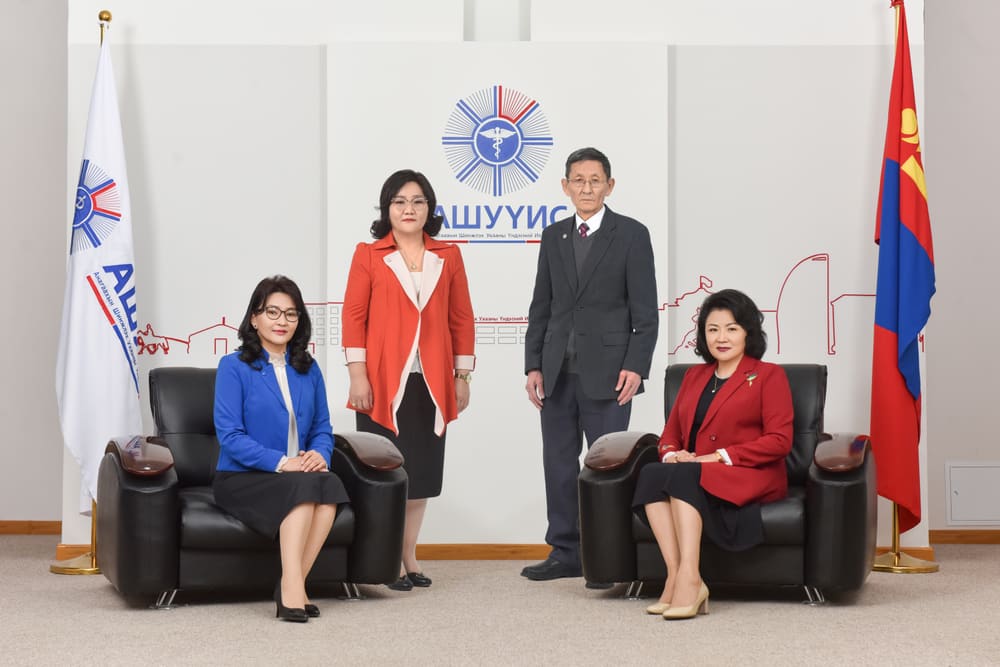 Department of Traditional PrescriptionologyHead: Assoc. Prof. B. Tserentsoo, PhD
The Department of Traditional Prescriptionology was first established under the new structure of ISMM approved by MNUMS President's order A/190 of 7 September 2020. 100% of all teachers in the department have doctoral or higher degrees. The department researches the pharmacology of Mongolian traditional medicine, the anti-cancer and anti-diabetic activity of medicinal raw materials, new traditional medicines with liver protection, and the cultivation and gene pool of medicinal plants.
- The herbal cell culture cabinet was established in 2011 and produced about 3,500 in vitro cultures of 3 species of medicinal plants
- Launched the “Phytolab” Center for Recipe Research and Innovation and the Research Cabinet of Beneficial Plants – Medicinal Raw Materials
- Since September 2021 the department has been responsible for the Innovation and Prescription Research section of the Institute of Mongolian Traditional Medicine
- Innovative products: De-Mon syrup, Berbera gel, Tsakhilzgana granules, Shimt cream, Pentamon, Hepaclin-4, Mon-berry and a sore throat rinse
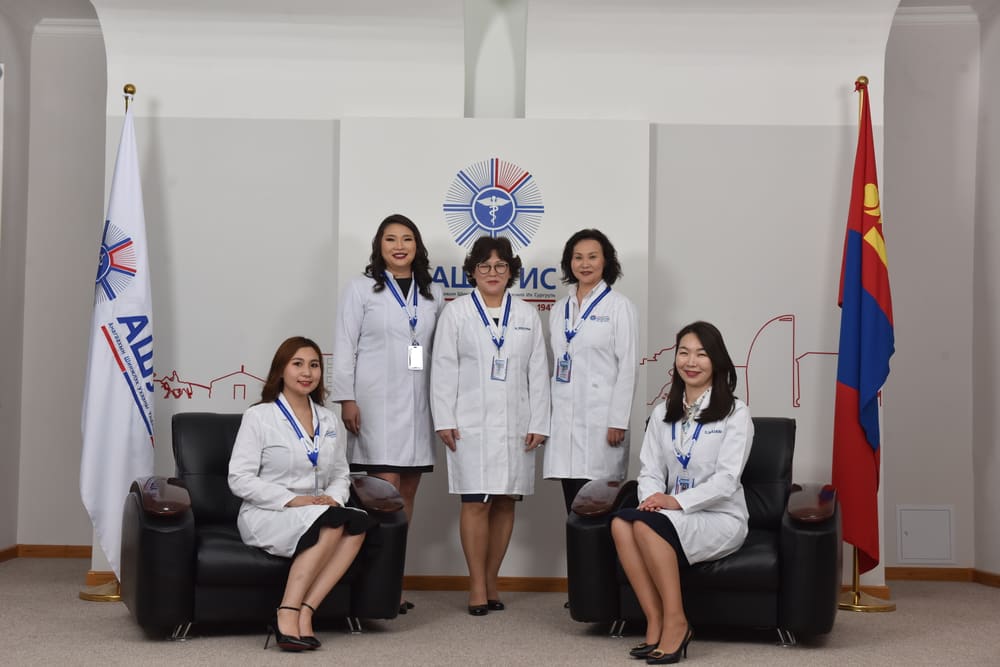 Department of Acupuncture and MoxibustionHead: Dr. V. Enkhtuya, PhD
Our department is in charge of organizing clinical and theoretical training for undergraduate, graduate and postgraduate students at the International School of Mongolian Medicine hospital. The main areas of our faculty's research are evaluating the effectiveness of acupuncture for common illnesses and developing clinical guidelines. In 2013 a joint bachelor's program was launched with the Tianjin University of Traditional Chinese Medicine, PR China.
Courses: Acupuncture therapy, meridians and acupoints, TCM diagnostics, TCM internal medicine, gynecology and pediatrics, medical Chinese (4+2 joint Doctor of Acupuncture program); evidence-based acupuncture and moxibustion in master's and doctoral training
- Cooperation agreement with Tianjin University of Traditional Chinese Medicine initialled on 25 August 2010; first intake of the 4+2 joint program in 2013
- An acupuncture clinical skills centre was established with funding included in the 2016 budget
- Collaborates with the traditional medical center in Khentii aimag, 230 km from Ulaanbaatar (memorandum signed March 2021 with the N. Tumurbaatar traditional medicine centre)
- 143 students are currently enrolled in the Doctor of Acupuncture program (per the document dated 21 Nov 2023)
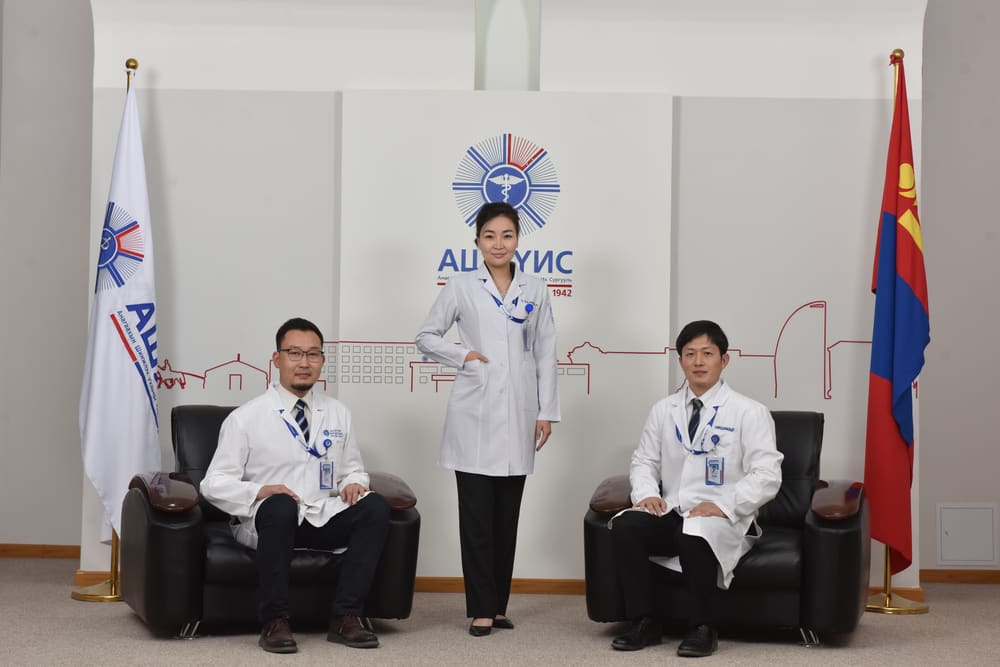 Department of Traditional Manual TherapyHead: G. Munkhzul, MSc
The Department of Traditional Manual Therapy was established in September 2020 and cooperates with Tokyo Ariake University of Medical and Health Sciences. Together with research and sport-injury clinical practice, teaching is the core responsibility of our faculty. We run a 4-year undergraduate Traditional Therapist program in cooperation with Tokyo Ariake University of Medical and Health Sciences in Japan.
Courses: Traditional medical treatment care, judo therapy, rehabilitation, emergency care after trauma, sports medicine care
- G. Munkhzul – Mongolian National Football Team doctor; M. Nishikido – Mongolian National Judo Team therapist
- Traditional Therapist students can take a short-term exchange and graduate study at Tokyo Ariake University of Medical and Health Sciences
- MNUMS honoured professors: Koji Sakurai (2019), Tatsuo Sato (2016)
- Responsible for the Sport Injury Department of the Central Hospital of Mongolian Traditional Medicine
Admission
Entrance exam subjects and threshold scores of this school's programmes.
| Campus | Programmes | Exam 1 | Threshold | Exam 2 | Threshold |
|---|---|---|---|---|---|
| Ulaanbaatar | Doctor of Traditional Medicine | Chemistry, Mathematics | 440 | Biology, Physics | 490 |
| Ulaanbaatar | Acupuncture and moxibustion doctor | Chemistry, Mathematics | 440 | Biology, Physics | 450 |
| Ulaanbaatar | Traditional Medicine Therapist | Chemistry, Mathematics | 440 | Biology, English | 440 |
| Darkhan-Uul | Doctor of Traditional Medicine | Chemistry, Mathematics | 430 | Biology, Physics | 430 |
| Darkhan-Uul | Traditional Medicine Therapist | Chemistry, Mathematics | 430 | Biology, English | 430 |
| Govi-Altai | Doctor of Traditional Medicine | Chemistry, Mathematics | 430 | Biology, Physics | 430 |
| Dornogovi | Doctor of Traditional Medicine | Chemistry, Mathematics | 430 | Biology, Physics | 430 |
Master's and doctoral study
Master's — Traditional Medicine (E09170101) — 2 years
Master's — Acupuncture and Moxibustion (E09170102) — 2 years
Doctoral — Traditional Medicine (F09170101) — 3 years
Master's programmes →Research
- Healthy aging: public health services suited to the Mongolian lifestyle, based on traditional methods of prevention and treatment
- A new medicine for the prevention and treatment of osteoporosis
- Anti-cancer properties of certain plants and a production technology for anti-cancer medicine
- Adaptogenic properties of certain plants and a production technology for adaptogens
- Study and preservation of the valuable heritage of Mongolian medicine
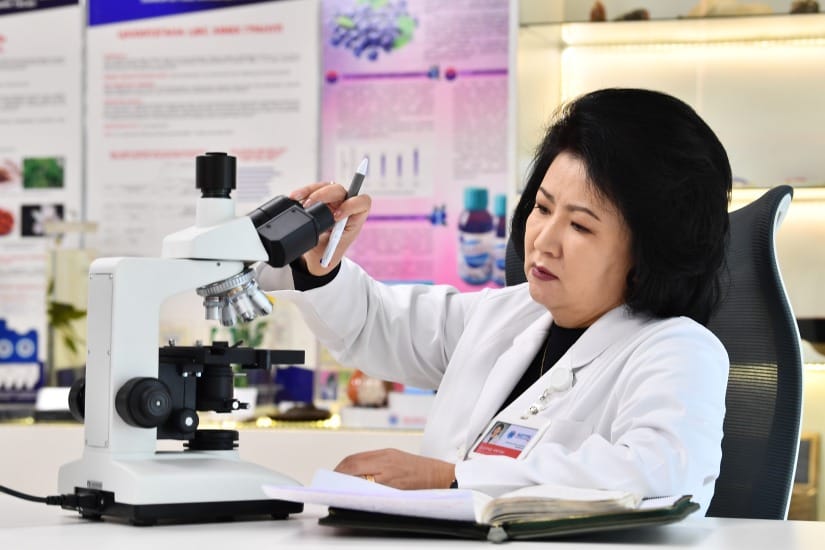
Opened on 18 September 2023 with four sectors. It studies and safeguards the more than 5,000-year-old knowledge of traditional Mongolian medicine as cultural heritage, develops animal- and plant-based products, new medicines and functional foods, produces foods and drinks in the tradition of Mongolian medicine, and brings new clinical methods and treatment guidelines into practice.
More details →International cooperation
- Tianjin University of Traditional Chinese Medicine, China — joint Acupuncture and Moxibustion programme
- Tokyo Ariake University of Medical and Health Sciences, Japan — joint Traditional Therapist programme, student exchange, graduate study and a Mongolia–Japan student research symposium
- Inner Mongolia University for the Nationalities, China — visiting professors
- Mongolian University of Life Sciences — joint class in cultivation of medicinal plants (tr)
Learning environment
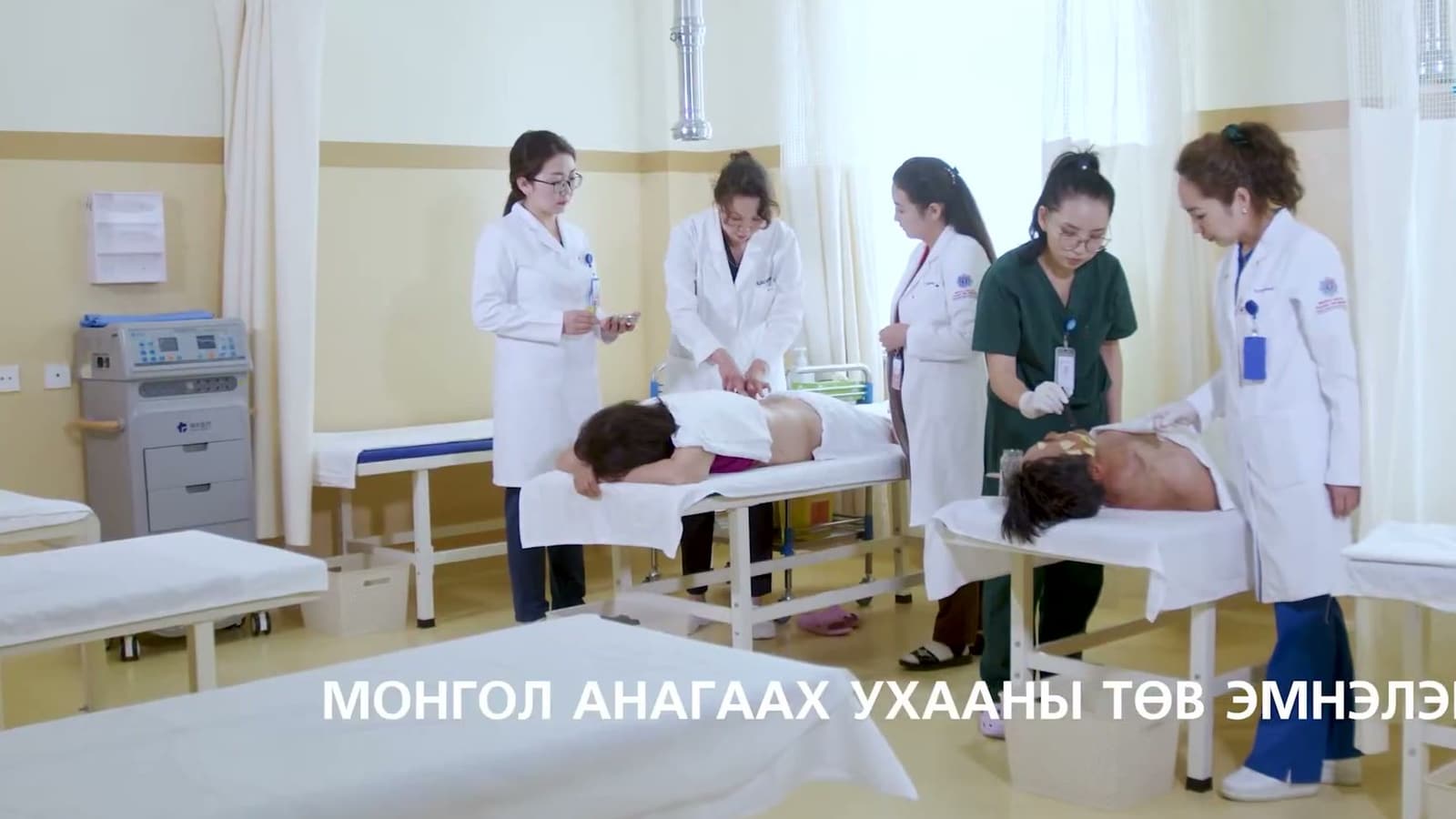
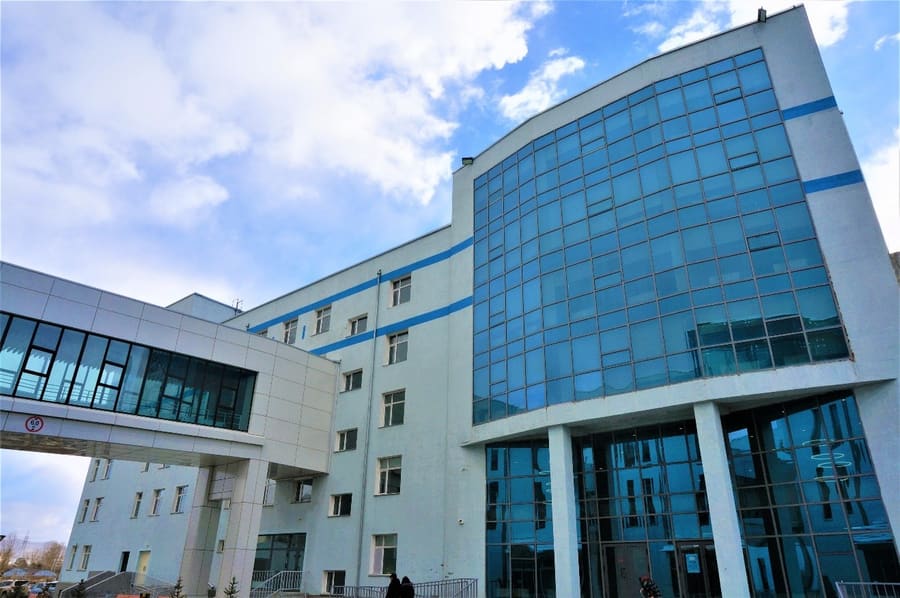
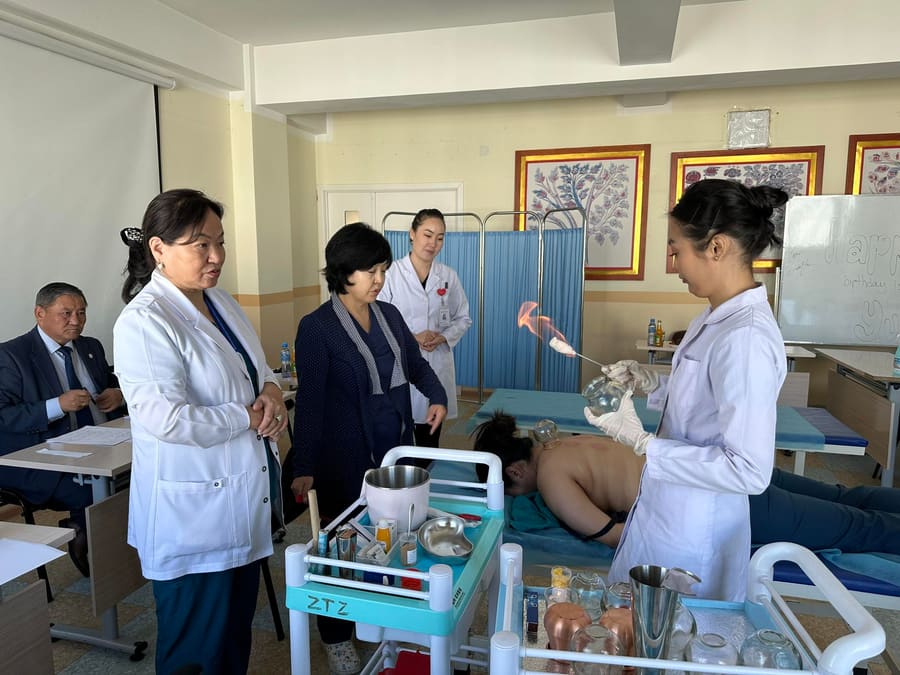
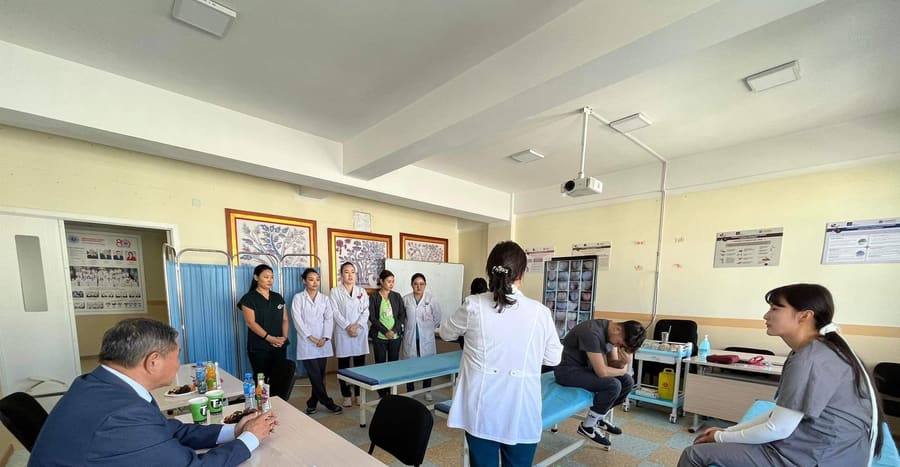
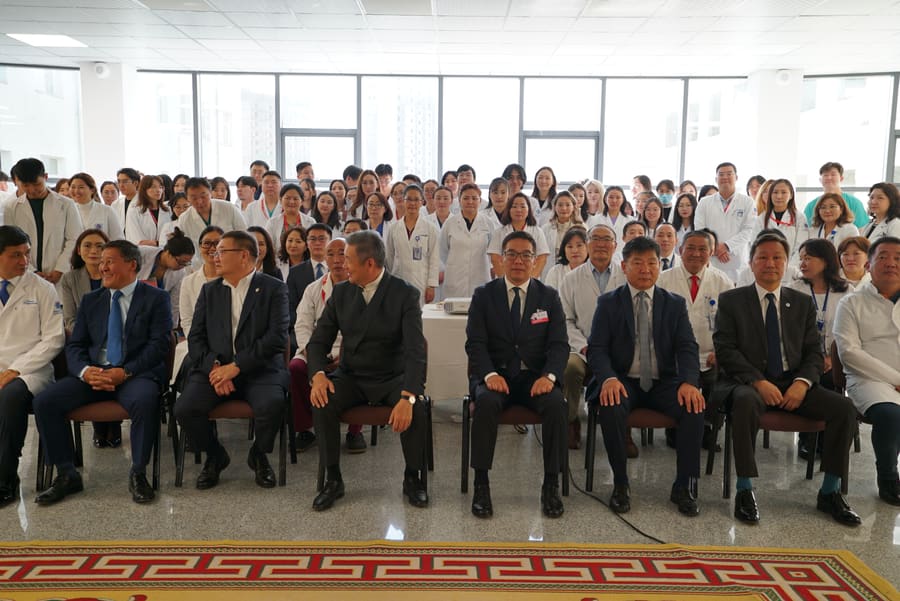
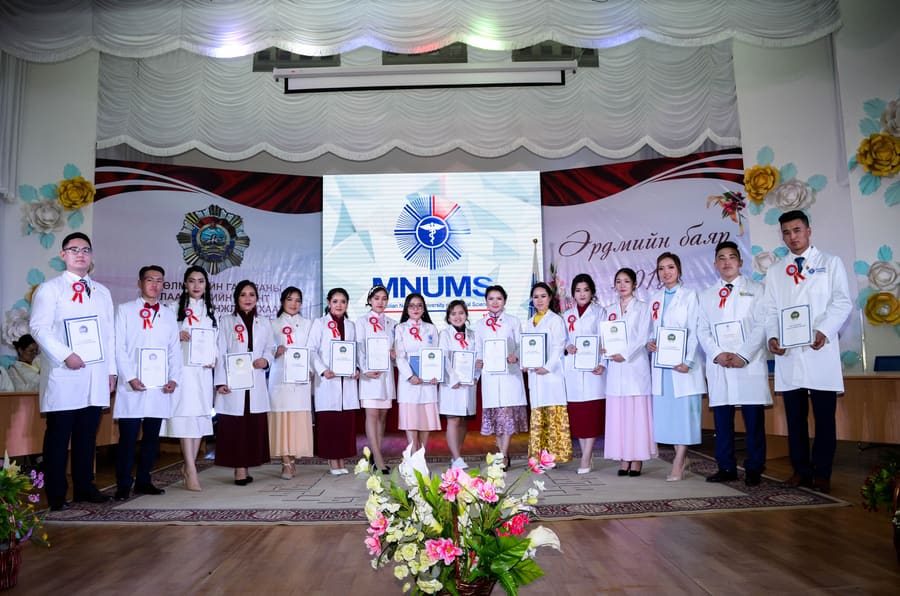
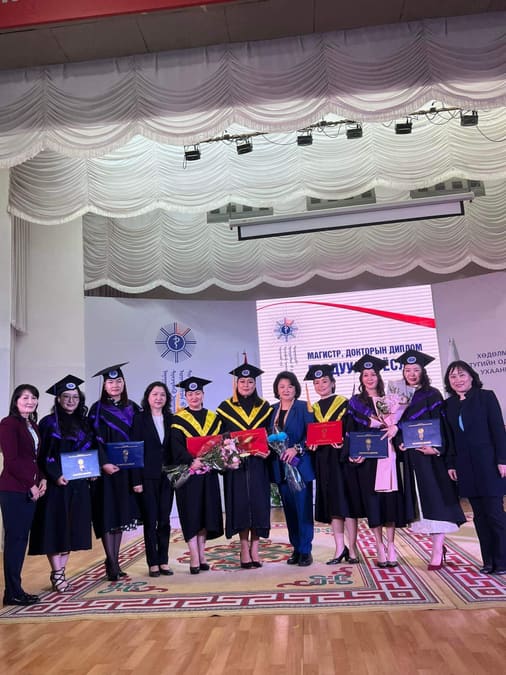
Since 2019 the school has had its own five-storey school-and-hospital building of 3,901.82 m² (east campus, block A, floors 4–5): six departments and 11 classrooms; the Institute of Traditional Mongolian Medicine runs its clinical laboratory and research on the 3rd floor of block C. Clinical skills centres: acupuncture and moxibustion (2015), traditional bonesetting, and the traditional therapist centre set up in 2016 with Tokyo Ariake University (tr).
Clinical bases
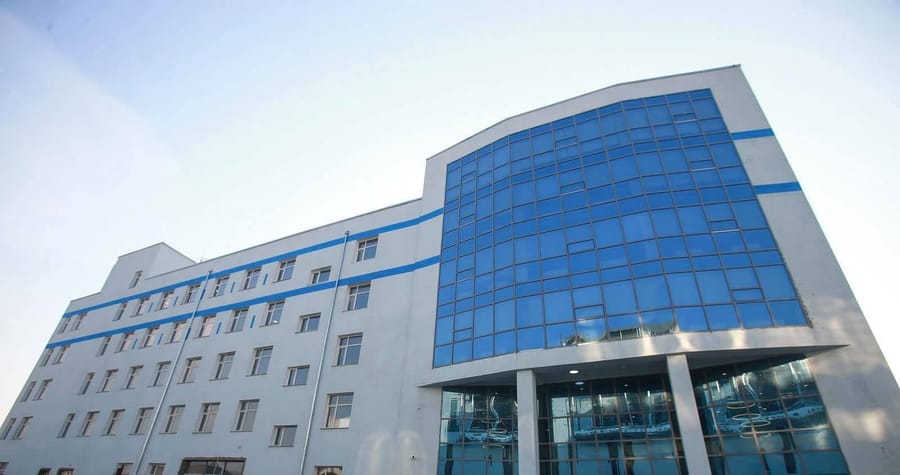 Traditional Mongolian Medicine Central Hospital
Other practice sites: Монг-эм, Ачуут гол, Уламжлалт анагаах ухаан, технологийн хүрээлэн, Баясгалантай дэлхий, Натур мед, Эрхэс сувилал, Хужирт рашаан сувилал, Шаргалжуут рашаан сувилал